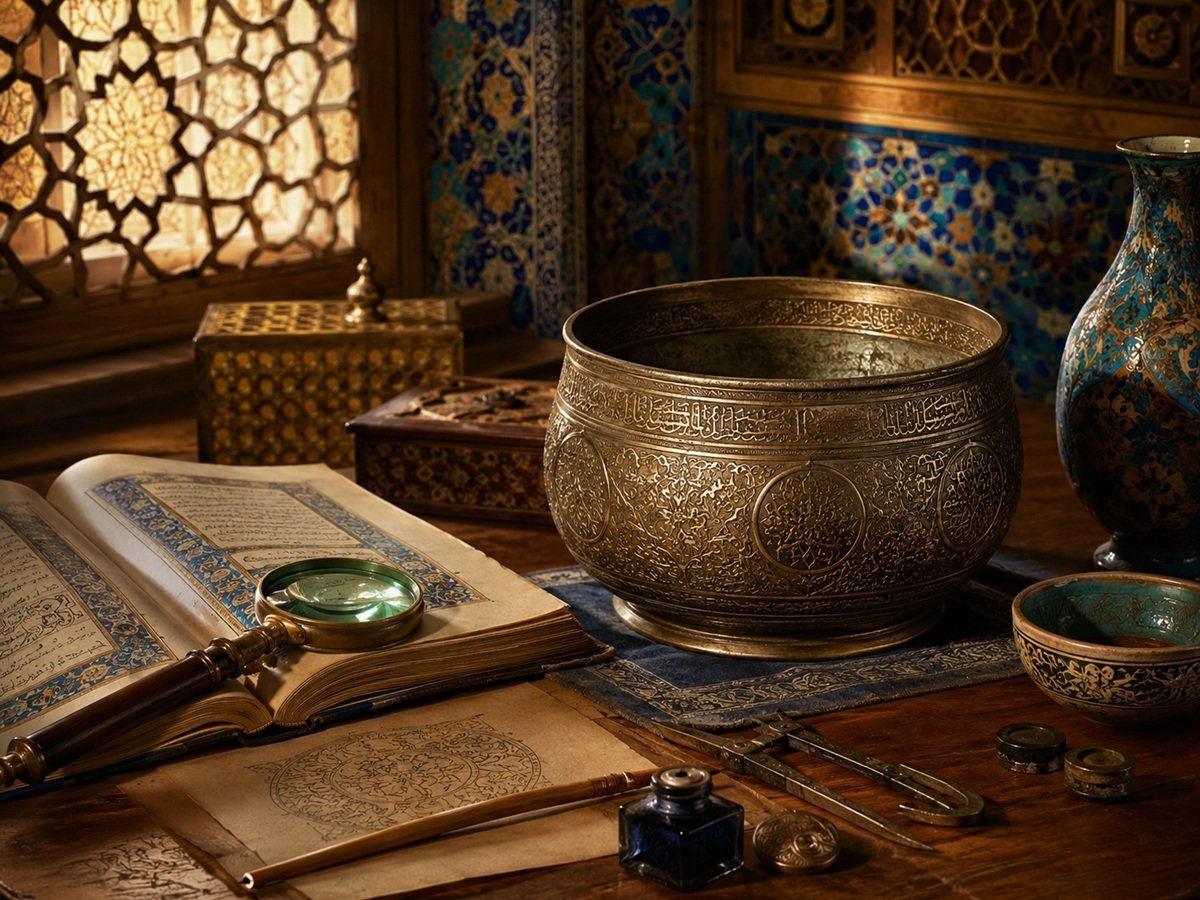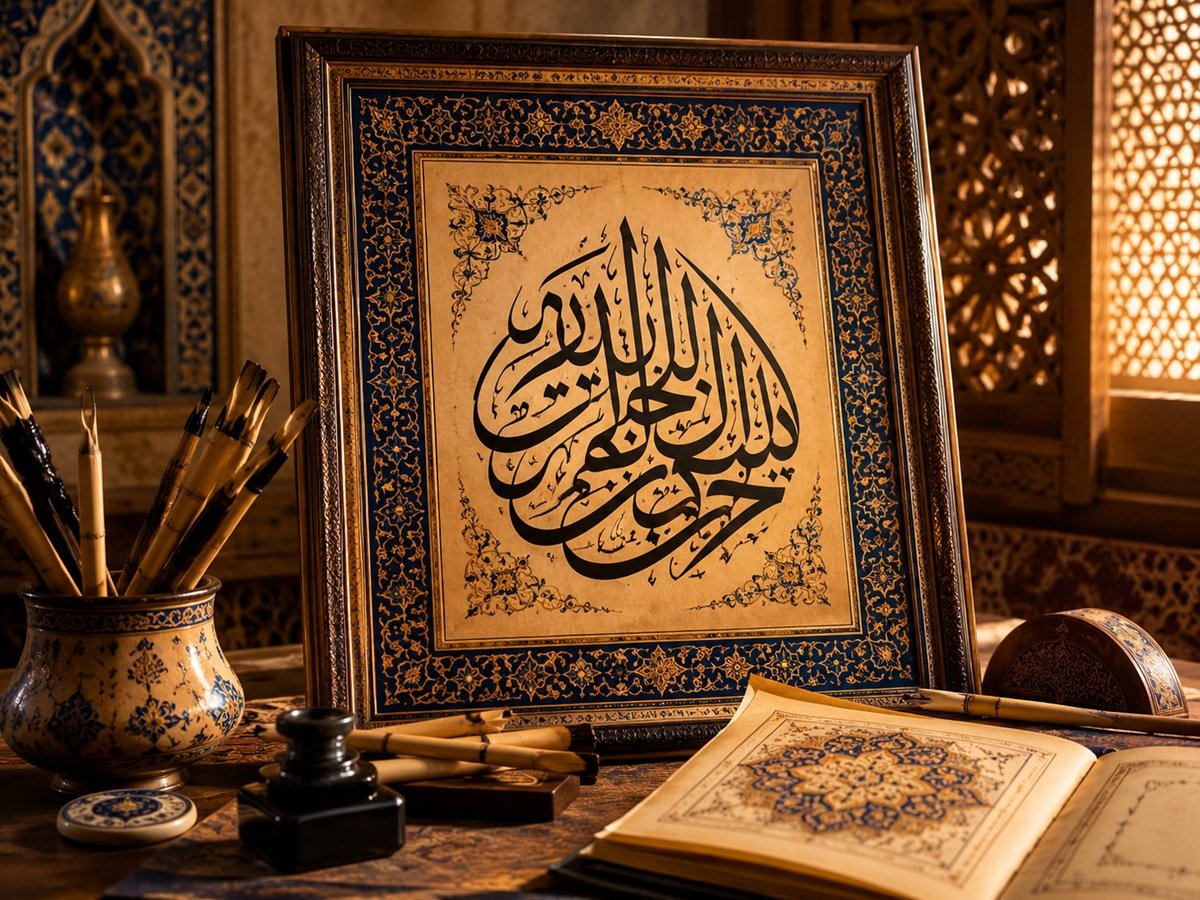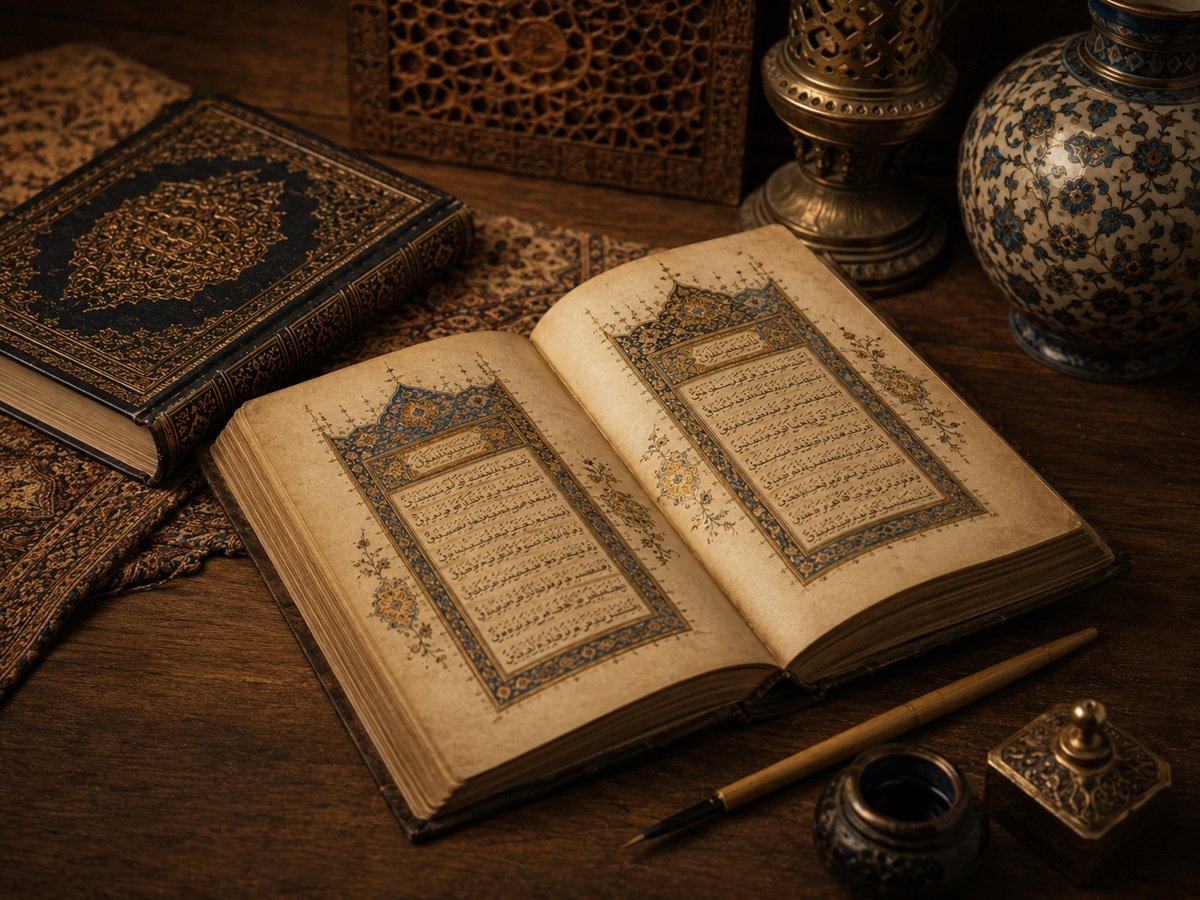
At first glance, a manuscript may appear to be an old book: a collection of pages carrying a text from a distant past. Yet a closer and quieter reading reveals something more. A manuscript is not only a text. It is a cultural object, where knowledge, art, devotion, history, and human presence meet.
In a manuscript, the written text is only one layer of meaning. The script, layout, paper, ink, marginal notes, seals, ownership records, illumination, binding, and even the signs of wear all contribute to the story of the object. A short note in the margin may reveal how the manuscript moved from one reader to another, from a private library to a school, from one city to another, or from one generation to the next.
The value of a manuscript is not limited to its age or rarity. Sometimes the text itself is well known, but the calligraphy, decorative elements, historical attribution, or material qualities make the manuscript significant. Qur’anic manuscripts, scientific treatises, legal texts, literary works, devotional books, and historical writings each open a window onto a different part of Islamic culture.
Within Islamic civilization, the book has often held a place beyond its practical function as a carrier of knowledge. Calligraphy, illumination, bookbinding, paper preparation, and manuscript preservation each developed as arts connected to the world of the book. For this reason, studying a manuscript does not simply mean reading its words. It means reading a constellation of signs that speak of time, taste, scholarship, patronage, and cultural exchange.
When we approach a manuscript as a cultural object, our questions move beyond “What is written here?” We begin to ask: Where was this object produced? Who copied or commissioned it? Who read it? How was it preserved? What traces of ownership or use does it carry? And why does it still matter today?
Through such questions, the manuscript becomes more than a silent text. It becomes a living witness to history. Every page, every line, every mark can carry part of a larger story: the story of Islamic heritage as it continues to be read, seen, studied, and remembered.